
Dr. Cappe’s Favorite Things
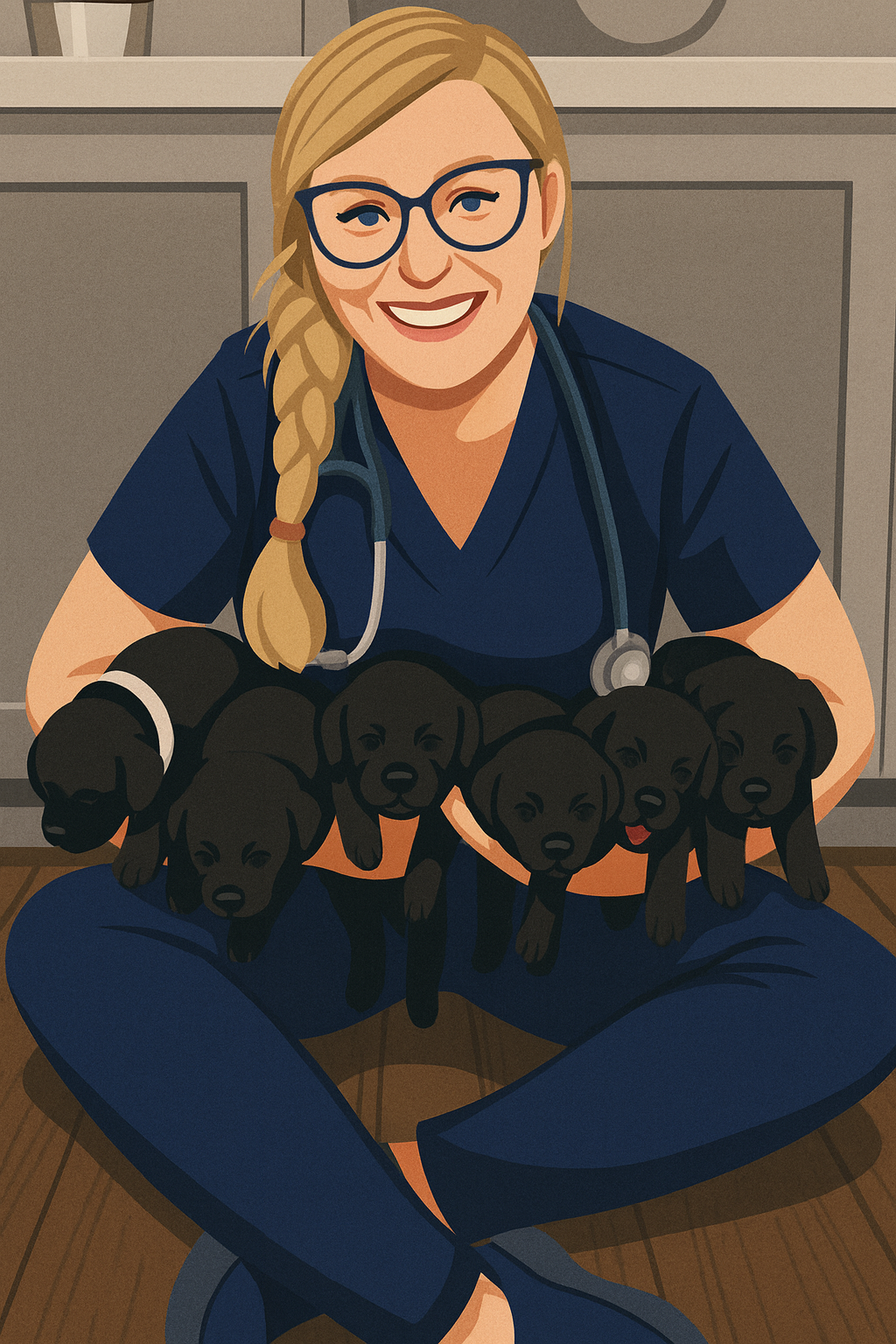
Products for your best friend recommended by their favorite vet
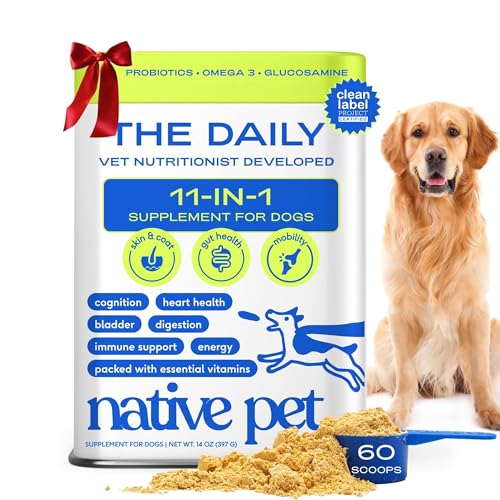

Vitamin & Allergy Supplements
Vitamins and supplements can play a helpful role in supporting your pet’s overall health when used appropriately. They are often recommended to promote joint health, skin and coat condition, digestive function, or immune support—especially for growing, aging, or medically managed pets. Because not all supplements are necessary or safe for every pet, it’s important to choose products thoughtfully and use them under veterinary guidance to ensure they complement, rather than replace, a balanced diet and proper medical care.
[We always recommend consulting with your veterinarian prior to starting your pet on any new vitamins or supplements]
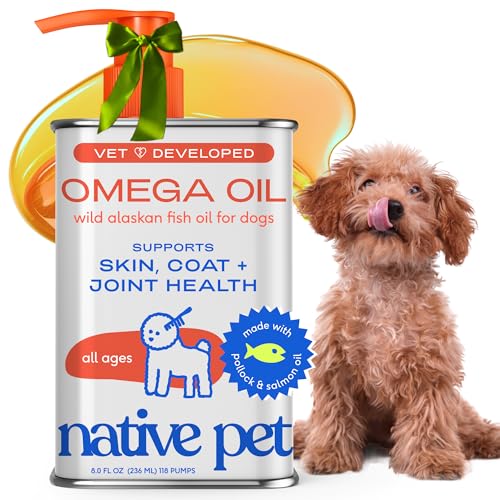
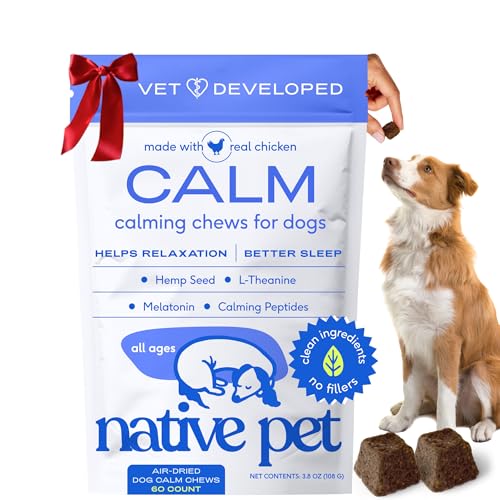

New Puppy Starter Kit


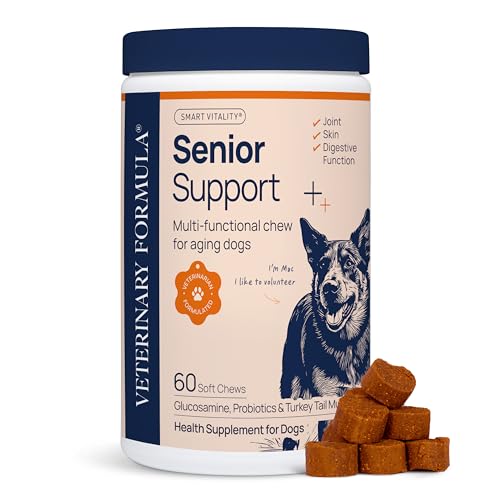
Essentials for Aging Pets
Managing the Aging Pet
As pets grow older, their needs change, and thoughtful, proactive care becomes essential to maintaining comfort and quality of life. Senior pets may benefit from regular wellness exams, tailored nutrition, pain management, and support for mobility, vision, or cognitive changes. By addressing age-related conditions early and adapting care to each pet’s individual needs, we can help aging companions stay comfortable, engaged, and loved throughout their golden years.
[We always recommend consulting with your veterinarian to perform a thorough exam]


Skin + Ear Medications & Treatments (Over the Counter)
Ear and skin problems are among the most common reasons pets need veterinary care and are often linked to allergies, infections, parasites, or underlying medical conditions. Signs may include itching, redness, odor, hair loss, or recurrent ear infections. Successful treatment depends on identifying and addressing the root cause, not just the symptoms. With proper diagnosis, targeted therapy, and ongoing management, most pets can find lasting relief and improved comfort.
[We always recommend consulting with your veterinarian to perform an exam and confirm a diagnosis - more severe cases may require diagnostic testing, antibiotics, etc.]

Pet Dose Guide for Cetirizine (Zyrtec):
Use daily for allergic itching
Recommended dose is 1mg/kg of body weight every 12-24 hours
Dogs up to 25 lbs = 1 tablet
Dogs up to 50 lbs = 2 tablets
Cats = 1/2 tablet
[We always recommend consulting with your veterinarian to confirm correct dosage]


Treating Pet’s with Mild Skin Infections
Recommend bathing every other day with medicated shampoo & daily medicated skin mousse
Wet the pet first and then lather thoroughly with medicated shampoo
Allow shampoo to sit on skin for 10-15 mins before rinsing
Rinse throughly and dry pet completely
[We always recommend consulting with your veterinarian to confirm diagnosis - more severe cases may require antibiotics]


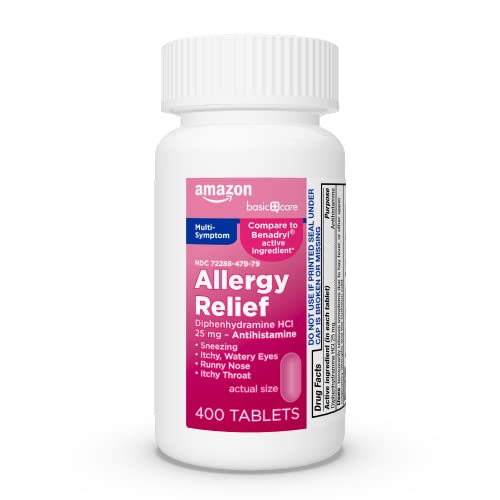
Pet Dose Guide for Diphenhydramine (Benadryl):
Recommended dose is 1mg/lb of body weight every 8 hours
Dogs 25 lbs = 1 tablet
Dogs 50 lbs = 2 tablets
Cats = 1/2 tablet
[We always recommend consulting with your veterinarian to confirm correct dosage]
Treating Pet’s with Mild Ear Infections
Recommend cleaning daily with medicated Triz+Keto ear flush
Squeeze generous amount of cleaner directly into ear
Massage base of ear, there should be enough cleaner that it’s overflowing from the ear
Wipe excess with cotton balls (never use Q-tips!)
[We always recommend consulting with your veterinarian to confirm diagnosis - more severe cases may require antibiotics]
Pet’s with Chronic Skin Issues - Food Allergy Friendly Diets
Canine food allergies occur when a dog’s immune system overreacts to specific ingredients in their diet—most commonly proteins such as beef and/or chicken. These allergies often show up as chronic itching, ear infections, skin irritation, or gastrointestinal signs like vomiting and diarrhea. Diagnosis typically involves a carefully managed elimination diet to identify the trigger ingredient. Once identified, feeding a balanced diet that avoids the offending allergen can significantly improve your dog’s comfort, skin health, and overall well-being.
[We always recommend consulting with your veterinarian to perform an exam and confirm the diagnosis - more severe cases may require diagnostic testing, antibiotics, etc.]


Gastrointestinal Health & Treatment
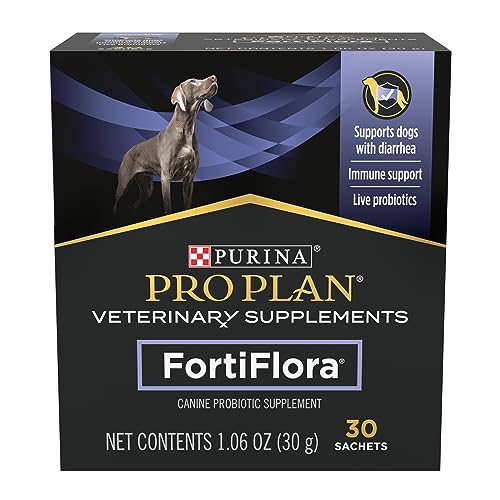
Guide for Treating Your Pet’s Diarrhea:
Acute diarrhea in dogs is often sudden in onset and may be caused by dietary indiscretion, stress, parasites, or infection. Treatment focuses on identifying the underlying cause while providing supportive care to prevent dehydration and discomfort. This may include temporary diet changes, probiotics, medications, and fluid support as needed. With prompt evaluation and appropriate treatment, most cases of acute diarrhea resolve quickly, helping your dog return to feeling comfortable and healthy.
[We always recommend consulting with your veterinarian to confirm diagnosis and treatment plan]

