
Dr. Cappe talks about the latest in pet health trends
Expert veterinary news, practical pet care tips, and the newest research for pet owners
Canine Allergies
Canine food allergies occur when a dog’s immune system overreacts to specific ingredients in their diet—most commonly proteins such as beef and/or chicken. These allergies often show up as chronic itching, recurring ear infections, skin irritation, or gastrointestinal signs like vomiting and diarrhea. Diagnosis typically involves a carefully managed elimination diet to identify the trigger ingredient. Once identified, feeding a balanced diet that avoids the offending allergen can significantly improve your dog’s comfort, skin health, and overall well-being.
Allergies in pets can be complex - we usually will asses three major causes: environment, ectoparasites, and diet.
Ectoparasites are the easiest to control: Make sure your pet is on year round flea/tick medications
Environmental causes can be complex and may require allergy testing. Pets who have grass and pollen sensitivities will benefit from wiping their paws with a dry towel or unscented baby wipe after a trip outside
Diet is also fairly easy to control as long as all family members contribute to limiting snacks while a diet trial is attempted.
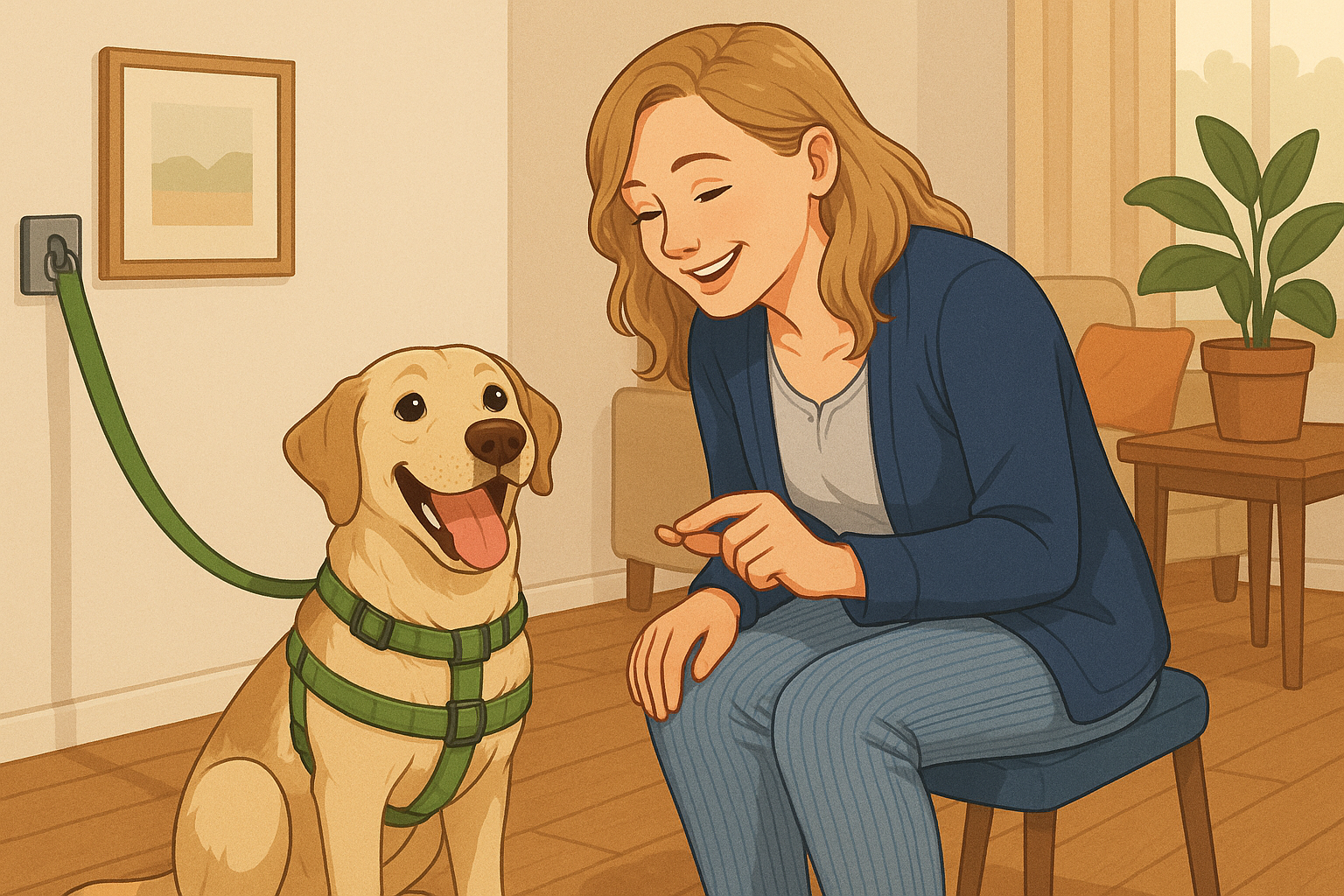
When should you spay or neuter your dog?
https://pmc.ncbi.nlm.nih.gov/articles/PMC7359819/
Research done at UC Davis shows: Delaying elective spay/neuter (waiting until physical maturity) can reduce the risk of certain orthopedic problems (e.g., hip dysplasia, cranial cruciate ligament rupture) and some cancers in dogs, particularly in larger breeds and in a sex- and breed-specific manner.
Trade-offs: Early spay and neuter lowers risk of unwanted litters and decreases mammary tumors in females and some reproductive tract diseases; delaying may modestly increase those reproductive risks.
Key point: Benefits and risks depend on the dog’s breed, size, and sex — there is no one-size-fits-all age.
Practical takeaway: Discuss individualized timing with your veterinarian, weighing breed-specific health risks, lifestyle, and shelter/behavioral considerations.
Are you ready to meet us?
Interested in booking an appointment? Fill out this form and we will be in touch shortly. We can’t wait to hear from you!